CXU SCIENCE

What is Bioregeneration?

The process of providing the proper structural support for tissue regeneration.
When the right structural support is in place, the body can rebuild and regenerate tissue. Bioregeneration begins with creating conditions that support tissue growth, and our CXU™ medical device candidate is being developed to provide that structural support.

Our Blueprint

Tissue regeneration requires more than a single component. It requires a foundational structure that more closely reflects the complexity of the body’s own extracellular matrix (ECM). 


Our patented CXU ECM is designed to serve as that foundation. Composed of multiple ECM proteins, structural elements and sugars, it is engineered to more closely mimic human tissue ECM than collagen alone.

Following tissue loss or damage, the body’s structural foundation can be diminished or disrupted. CXU is a biomimetic ECM designed to support cell migration, vascularization and tissue integration, creating the conditions for functional tissue restoration.

CAUTION: CXU™ is a medical device candidate in preclinical development and is not cleared or approved for marketing in the United States or any other jurisdiction.

The Tissue

Regeneration Trilogy

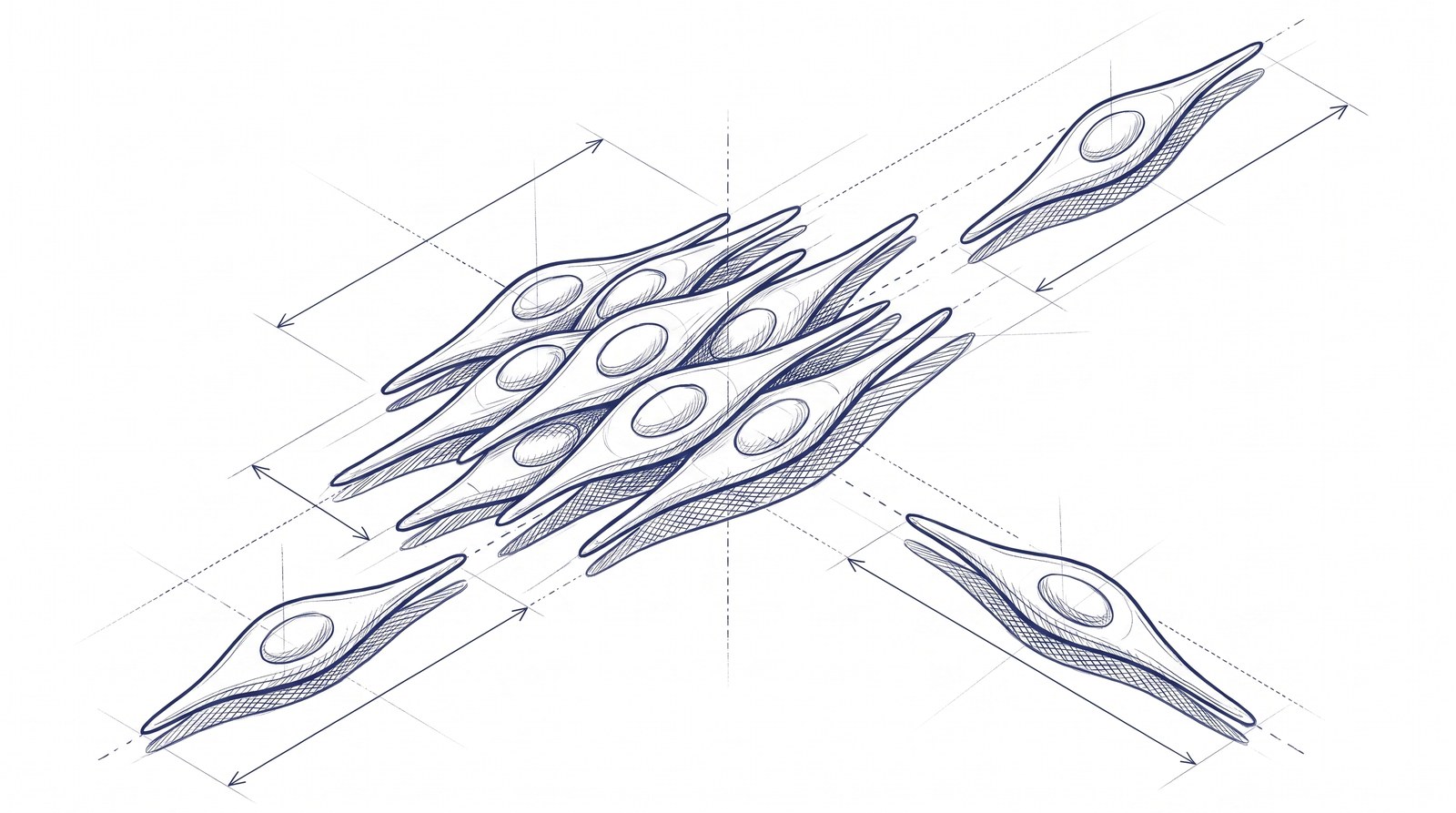
Tissue regeneration depends on three essential elements working together in concert in the body: cells, signals, and the ECM scaffold. 


Our body’s scaffold can be compromised in different ways.  It can be destroyed by injury, diminished over time, or depleted by weight loss. When this happens, the structural framework that supports tissue regeneration begins to break down.

CXU is being developed as a collagen-based ECM scaffold intended to help restore the missing structure and support a more restorative environment for the tissue.

Regeneration requires the coordinated presence of:
Cells

The living builders use the structural support of the ECM to populate and construct new tissue.
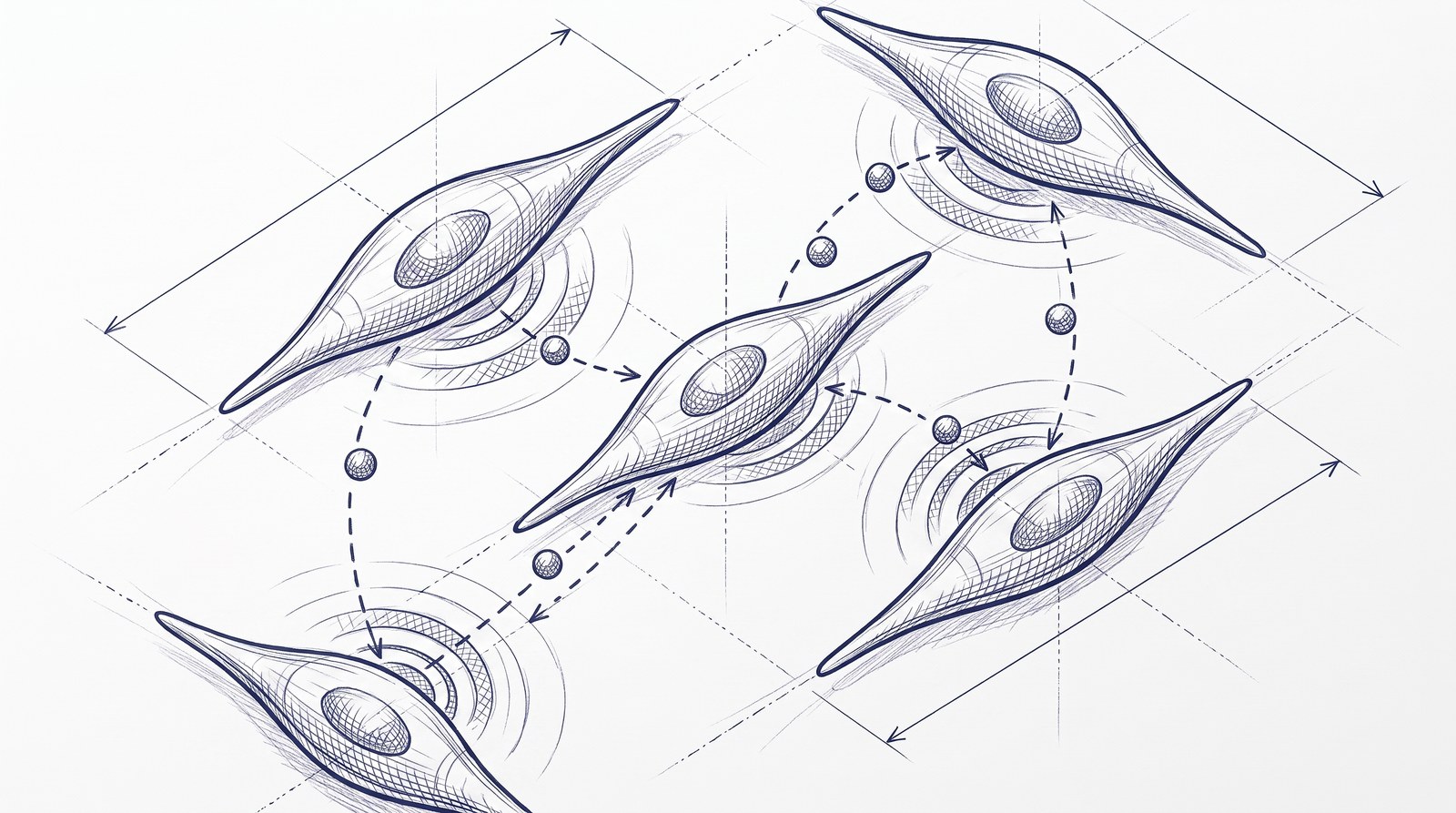
Signals

The biological cues that are used for cell to cell communication and direct cellular behavior.
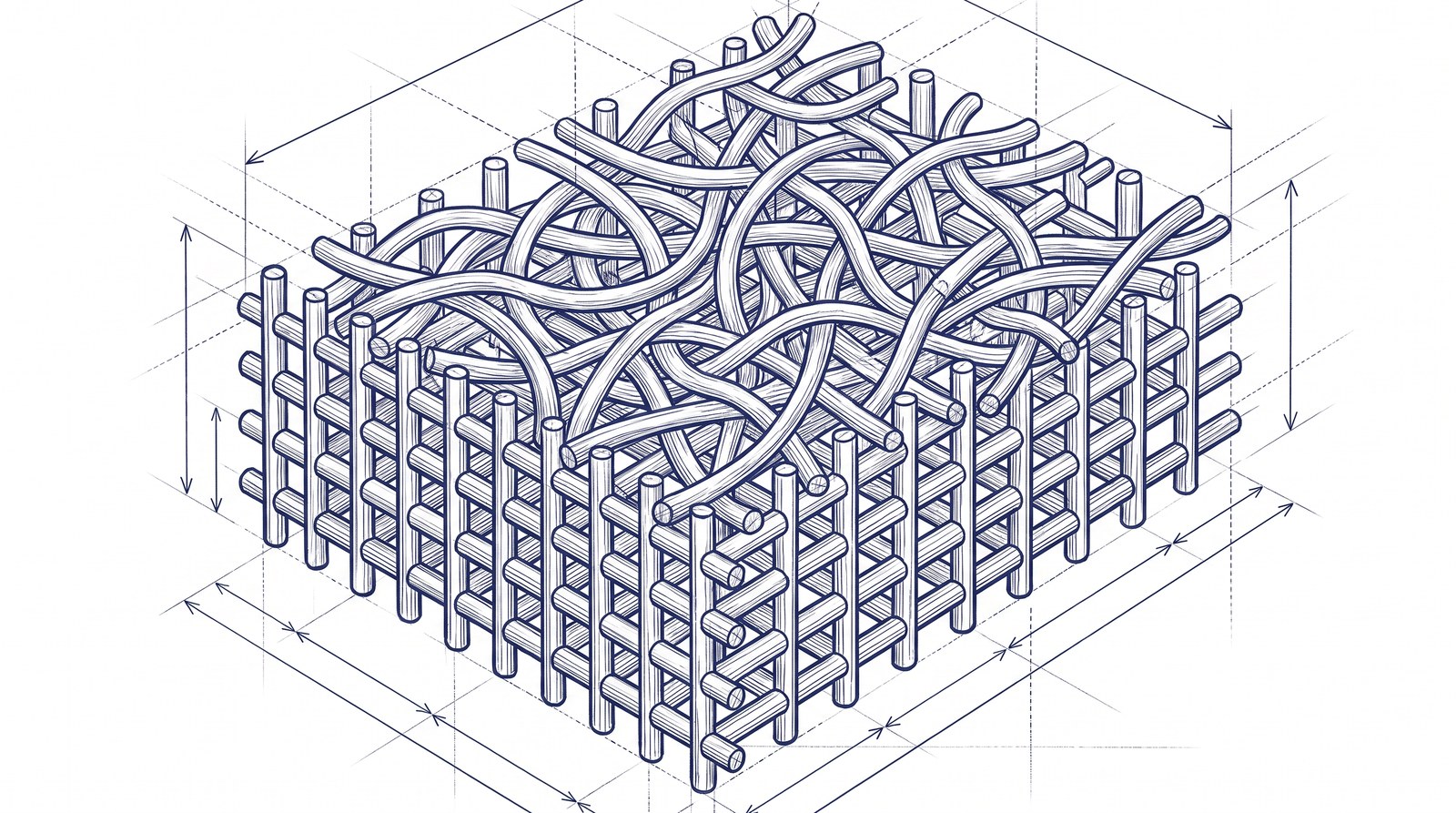
Scaffold (ECM)

The structural framework that supports and regulates cellular behavior.
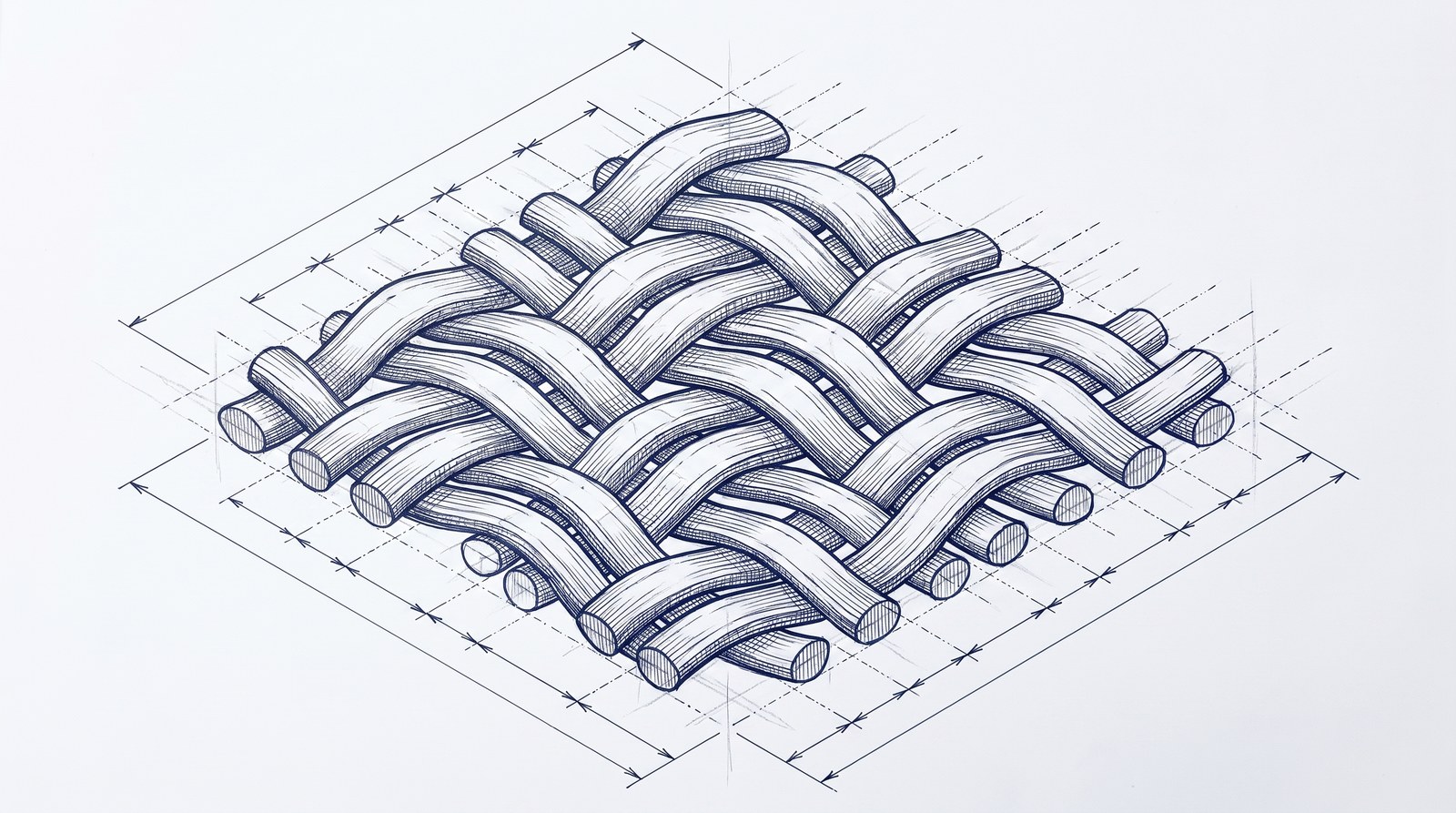
Pathway from compromised human scaffold (ECM) to scar formation:
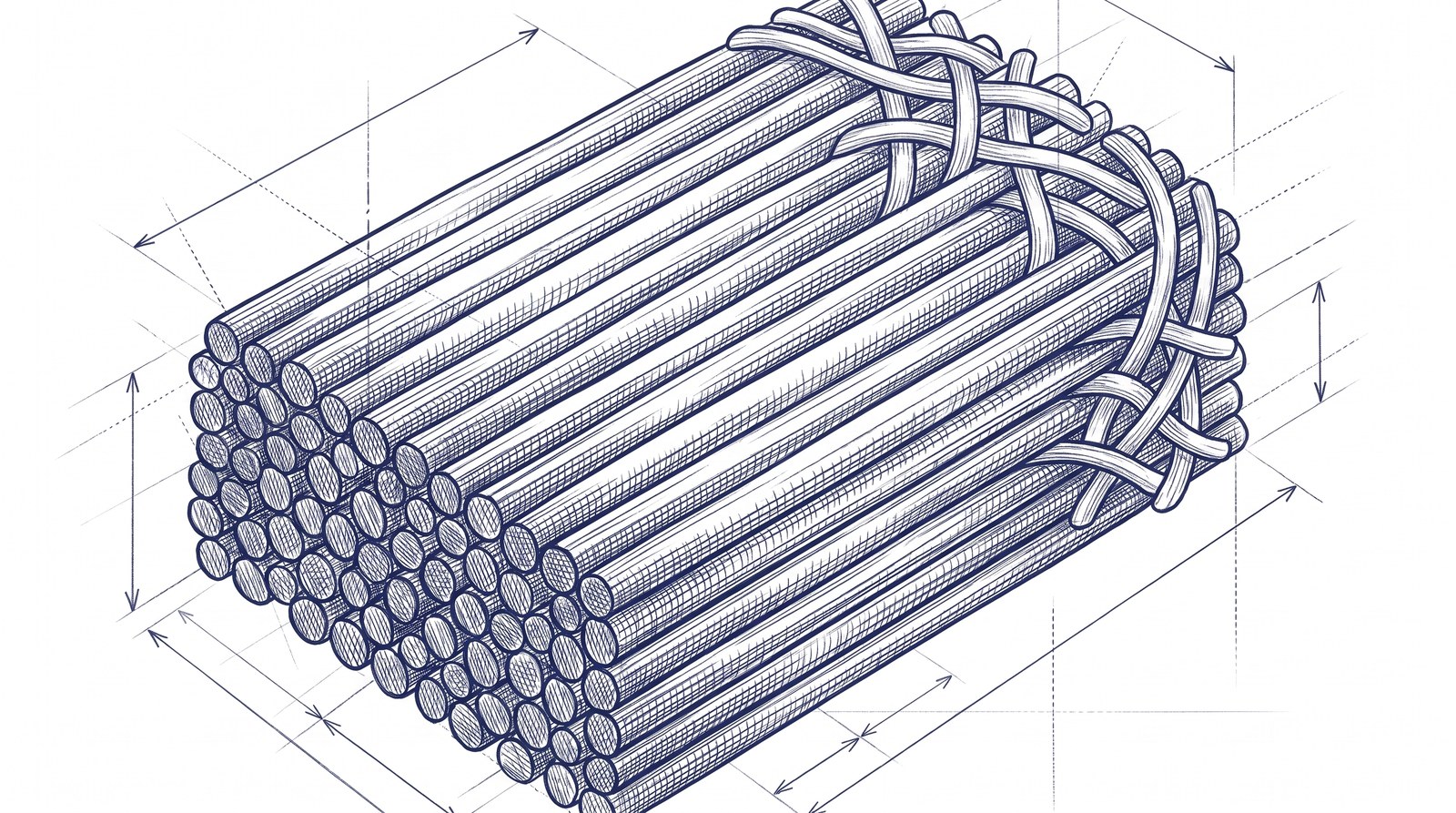
I. Normal Extracellular Matrix (ECM) Scaffold

Structured supportive elasticity with organized collagen fibers.
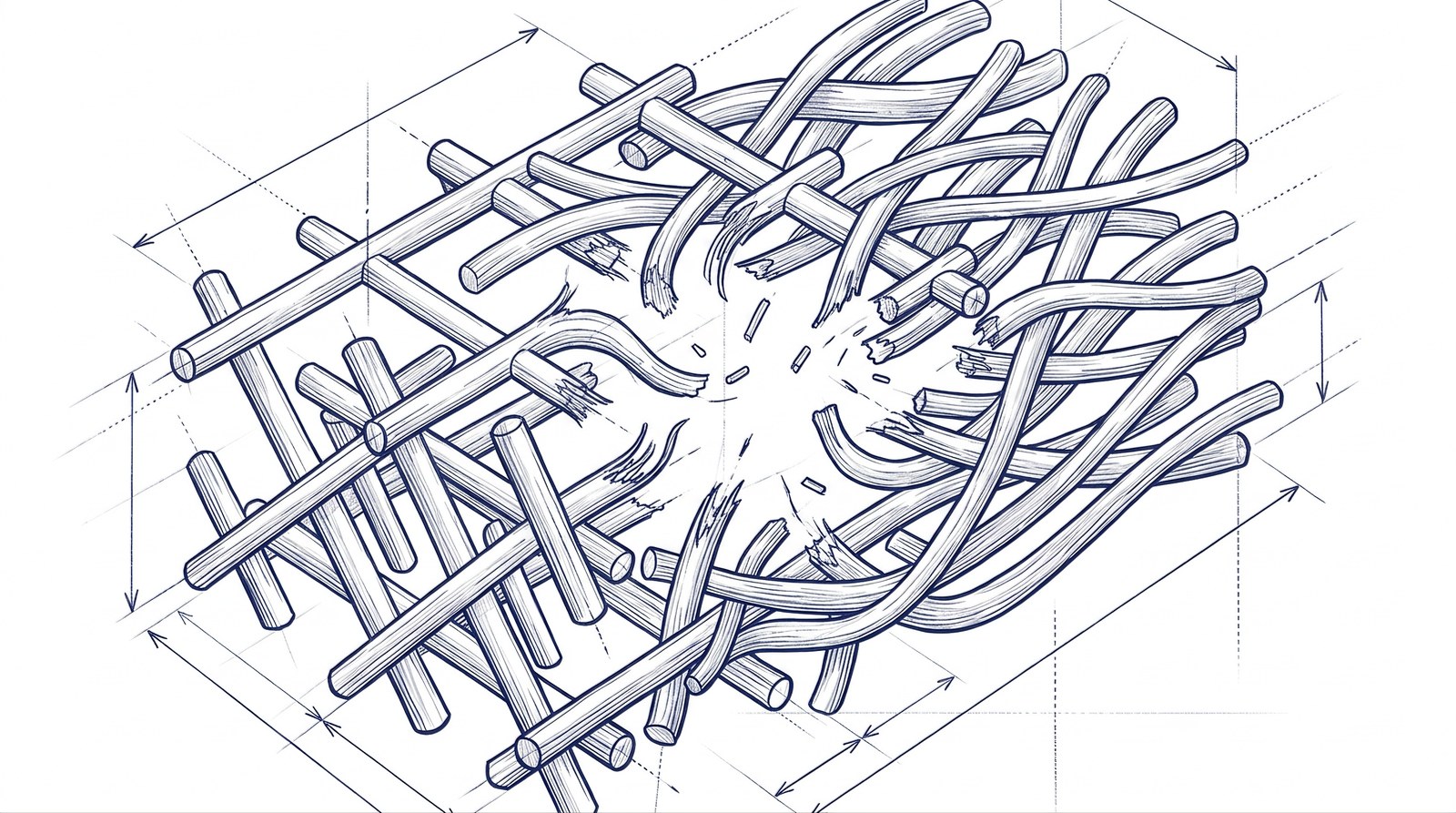
II. Compromised / Damaged ECM

Loss of structural integrity because of tissue disruption and matrix breakdown triggering the wound healing cascade.
III. Repaired /  Scar Tissue Formation

Dense non-functional tissue causes fibrotic overgrowth which create a disorganized ECM deposition.

When the ECM is compromised, the biologic process shifts.
Destroyed by injury

Trauma, burns, and surgical defects physically destroy the local ECM scaffold, triggering the wound healing cascade and leading to scar formation.

Diminished by aging

Over time, the body's ability to maintain the ECM can decline, weakening the structural framework, which leads to wrinkles and skin laxity.

Depleted by weight loss

Rapid fat volume loss leaves an ECM envelope without underlying structure. The result is laxity and deflation.

How CXU Works

A deeper dive into the science of Conexeu.

How CXU Works

Flow

Starts as a flowable liquid

At room temperature, CXU flows to fill voids where tissue has been lost, maintaining continuous contact for seamless adaptation in the body’s tissue spaces.9

Seamless Application

Seamlessly flows into voids where tissue has been lost 3,4,5

Adaptable Conformity

Tracts to conform in 3D and fills complex tissue structures or voids 2,3,4

Continuous Contact

Supports continuous contact with the host tissue 3,4,5

How CXU Works

Set

Set as a gel

After ~10 minutes at 37°C (body temperature), CXU transforms into a gel that provides volume and creates a stable interface.9

Tissue Integration

Supports tissue integration without migration from the site of placement4,5

Consistent Coverage

Designed to provide volume and complete coverage3,4

New Tissue

Forms a temporary structural matrix to support new tissue in-growth1,2,7

How CXU Works

Regenerate*

Designed to enable functional tissue regeneration

CXU is being developed to unlock the regenerative potential of native tissues, designed to provide a temporary structural ECM framework that supports the body's own repair and regenerative processes from within.

Host Cell Infiltration

In preclinical models, investigators report cell presence and infiltration within and at the CXU scaffold-tissue interface, consistent with a scaffold that supports host integration as part of normal tissue repair.3,4,5,7

Vascular
Ingrowth

Published in vivo studies report findings consistent with vascular ingrowth and remodeling in the presence of the scaffold, supporting the concept that CXU may serve as a structural framework allowing for tissue restoration.3,4,7

Reduced Inflammatory Response

Preclinical evaluations report a reduced inflammatory profile in the presence of the CXU scaffold, consistent with a material that supports organized repair rather than a prolonged inflammatory phase.3,4,5,7

Remodeling Over Time

The scaffold is intended to be gradually resorbed through endogenous processes,  leaving behind host tissue rather than a permanent foreign structure.1,2,4,5,7

*Design intent based on preclinical evidence. These findings were generated in controlled laboratory settings and animal models. Animal physiology differs from human physiology and these findings may not be predictive of clinical performance or safety in humans. Clinical significance not yet established.

Deeply Rooted in Science and Development.

Conexeu is not simply repairing tissue. We are building a new blueprint for regeneration, one that is disciplined, intentional and grounded in more than a decade of research.

Patent Assignment
10 Years of Development

Developed over 10 years at a leading Canadian University.

100% Patent Assigment

Conexeu owns the right, title, and interest to the patents worldwide.

11 Peer-Reviewed Publications*

Acta Biomaterialia, Advances in Wound Care, Biomedical Materials, Canadian Journal of Diabetes, Experimental Dermatology, Gels, Journal of Burn Care, Tissue Engineering, Transplantation


1 Patent, 5 Jurisdictions (Canada Pending)

*All cited studies are preclinical. Findings have not been validated in human clinical trials and are not predictive of clinical outcomes.

CXU Applications

CXU is designed to serve as the body’s structural foundation to support tissue regeneration. One platform, one formula, one device for broad potential use across a range of human and animal applications.

Across these applications, Conexeu is at the forefront of tissue engineering.  

News and Media

Stay in the know about Conexeu, CXU and the future of regenerative science.
IMPORTANT NOTICES: CXU™ is a medical device candidate in preclinical development. It has not been submitted to or reviewed by the U.S. Food and Drug Administration. Safety and effectiveness have not been established. See Forward-Looking Cautionary Statement. Terms such as 'next-generation,' 'advanced,' 'innovative,' and 'bioregenerative' reflect the Company's assessment of its technology relative to existing approaches and are not intended as representations of regulatory status, clinical performance, or guaranteed commercial outcomes. CXU™ is an investigational medical device candidate. Safety and effectiveness have not been established. See Forward-Looking Cautionary Statement.
Close

Error Displaying Name

Error Displaying Title

Contrary to popular belief, Lorem Ipsum is not simply random text. It has roots in a piece of classical Latin literature from 45 BC, making it over 2000 years old. Richard McClintock, a Latin professor at Hampden-Sydney College in Virginia, looked up one of the more obscure Latin words, consectetur, from a Lorem Ipsum passage, and going through the cites of the word in classical literature, discovered the undoubtable source.Lorem Ipsum comes from sections 1.10.32 and 1.10.33 of "de Finibus Bonorum et Malorum" (The Extremes of Good and Evil) by Cicero, written in 45 BC. This book is a treatise on the theory of ethics, very popular during the Renaissance. The first line of Lorem Ipsum, "Lorem ipsum dolor sit amet..", comes from a line in section 1.10.32.The standard chunk of Lorem Ipsum used since the 1500s is reproduced below for those interested. Sections 1.10.32 and 1.10.33 from "de Finibus Bonorum et Malorum" by Cicero are also reproduced in their exact original form, accompanied by English versions from the 1914 translation by H. Rackham.